Fall in love in SECONDS

Colombo: The Wild, Witty, and Slightly Sweaty Guide to Sri Lanka’s Capital
A Tourist's Guide to Colombo
2/28/20265 min read
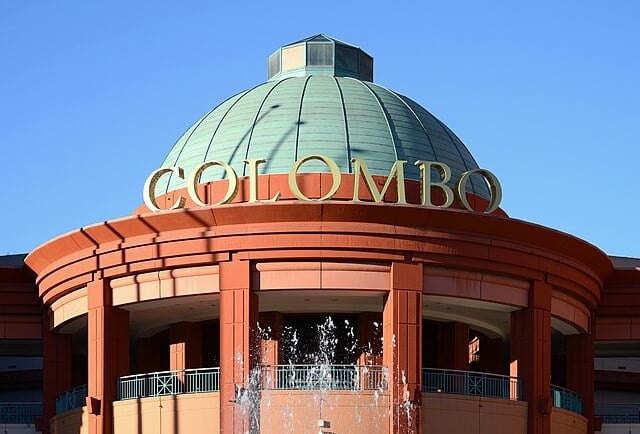
Welcome to Colombo. It’s loud, it’s humid, and the traffic moves with a logic that only a local tuk-tuk driver and several deities understand. Most travelers treat Colombo like a disappointing layover: a place to grab a SIM card before fleeing to the beaches of Galle or the tea hills of Ella.
Big mistake. Huge.
Colombo is the heartbeat of the island. It’s where 17th-century Dutch hospitals become high-end crab restaurants, and where sacred Buddhist temples house everything from ancient relics to a random collection of vintage Rolls Royces. Here’s how to do Colombo without losing your mind or your dignity.
The "Must-Dos" (That Are Actually Cool)
The Red Mosque (Jami Ul-Alfar): Imagine if a candy striper and an architect had a fever dream in the middle of a bustling market. That’s the Red Mosque. It’s stunning, pomegranate-red, and incredibly photogenic. The air here is thick with the scent of roasted chickpeas and diesel fumes from the nearby port, creating a sensory overload that is pure, unadulterated Pettah. It’s in Pettah, which is basically a labyrinth of narrow alleys where the ground is dusted with loose cinnamon and the walls echo with the rhythmic shouts of porters pushing heavy carts. Dress modestly (knees and shoulders covered) and prepare for your internal GPS to fail you.
Gangaramaya Temple: This isn’t just a temple; it’s a hoarders-anonymous meeting for beautiful things. You’ll find ivory carvings, gold statues, and even a museum of eclectic gifts given to the monks over the decades. It’s serene, strange, and essential. Walk across the wooden bridge to the Seema Malaka shrine on the lake, where the breeze provides a momentary, cool relief against the skin and the water shimmers with an oily, urban metallic sheen.
Galle Face Green at Sunset: As the sun starts to dip, the entire city moves to this oceanfront promenade. It’s the best place to watch locals fly kites that dance like neon diamonds against a bruised purple sky, couples hide behind umbrellas, and—most importantly—to eat Isso Vadé (spicy lentil cakes topped with whole prawns). You’ll hear the hiss of deep-fryers and the crashing of the Indian Ocean, a salty spray misting your face as you crunch into a prawn shell.
The Lotus Tower (Nelum Kuluna): Rising above the skyline like a giant green bud, this is South Asia’s tallest self-supported structure. While it looks like something out of a sci-fi movie, the view from the top at night is unparalleled. You can see the entire city lights reflecting off the Indian Ocean, looking like a spilled bag of glowing sequins against the velvet black of the sea.
Independence Memorial Hall: Built to commemorate Sri Lanka's independence from British rule in 1948, this massive stone structure is an architectural nod to the ancient Kandyan Kingdom. It’s surrounded by lush green lawns where you’ll see joggers, students, and the occasional wedding photoshoot. The stone pillars are cool to the touch, carved with intricate lions that seem to watch over the city's modern chaos. It’s the perfect place to sit in the shade and pretend you aren't melting.
Eating (And Drinking) Your Way Through the Humidity
If you leave Colombo without a "Kothu belly," did you even visit? The soundtrack to your dinner will be the frantic clank-clank-clank of metal blades on a hot griddle—the official anthem of Sri Lankan nightlife.
Kothu Roti: Chopped flatbread, veggies, egg, and meat. Sounds simple, tastes like heaven. Head to Hotel de Pilawoos (the OG spot) to get your fix
Lagoon Crab: Massive, succulent, and worth every cent. You’ll want to visit Ministry of Crab, but be sure to book weeks in advance.
Hoppers: Bowl-shaped rice pancakes with crispy, lacy edges and a soft, doughy center. Get the "egg" version at Palmyrah Restaurant or from most street stalls.
Lamprais: Rice, meat, and sambols wrapped in a banana leaf and baked. The leaf infuses the rice with an earthy, tea-like aroma. The Dutch Burgher Union (VOC Cafe) is the place to be for this.
The Liquid Gold (Ceylon Tea): You are in the tea capital of the world. Don't settle for a dusty bag in a mug. Head to the Dilmah t-Lounge or Mlesna Tea Fortress for a formal tasting where the air smells of dried jasmine and bergamot. If you want the local experience, find a "Tea Boutique" (a fancy name for a tiny shop) and order a "Kiri Te" (milk tea)—it’s sweet, frothy, scalding hot, and highly addictive.
The Art of the Tuk-Tuk
In Colombo, the tuk-tuk is the apex predator of the road. Feel the vibration of the two-stroke engine rattling your bones as you zip through gaps in traffic that look physically impossible.
The Golden Rule: Always ask "Meter?" before you get in. If they say no, walk away. There are 1.2 million of them; you will find another one in three seconds.
The Pro Move: Download the PickMe or Uber apps. It’s like the local version of magic—no haggling, no "scenic routes" to a gem shop you didn't ask for, and it costs about the same as a cup of coffee.
The Safety Check: Keep your bag in the middle of the seat, not on the side. Not because of crime, but because the drivers corner like they’re in The Fast and the Furious and gravity is a suggestion, not a law.
Shopping: From Bargains to High-End
Colombo is surprisingly great for retail therapy. If you’re looking for high-quality cotton, home decor, or souvenirs that don't look like they were made in a factory, check out these spots:
Barefoot: Founded by the legendary Barbara Sansoni, this place is an explosion of hand-loomed colors—vibrant oranges, deep teals, and earthy ochres. It also has a great courtyard cafe for a gin and tonic when the shopping fatigue hits.
Odel: Located in a grand colonial building, this is the city's premier department store. It’s air-conditioned (praise be), smelling faintly of expensive perfume and new leather, and perfect for picking up local fashion brands.
Pettah Floating Market: For something a bit more adventurous, walk across the wooden bridges of this market built over the Beira Lake. It’s more about the vibe than the actual shopping, but it's a great spot for photos of the sun reflecting off the green-tinged water.
Survival Tips for the Sane Traveler
Hydrate or Die-drate: It’s $31^\circ\text{C}$ but feels like $40^\circ\text{C}$ with the humidity. Drink a King Coconut (Thambili) from a street vendor. Watch them whack the top off with a machete and feel the cool, sweet water wash away the city's grit. It’s nature’s Gatorade.
The "Sunday Slump": Most of the city shuts down or gets very quiet on Sundays and Poya (Full Moon) days. Note that on Poya days, alcohol is not sold anywhere—even in hotels. Plan your cocktail hour accordingly.
The Dress Code: Sri Lankans are generally modest. If you're visiting temples, keep a sarong or a light scarf in your bag to cover up. You’ll also need to remove your shoes, so wear ones that are easy to slip on and off—and be prepared for the sensation of un-warmed stone under your bare feet.
The "Sri Lankan Nod": If you ask a question and someone wobbles their head side-to-side, it usually means "yes," "okay," or "I understand." It does not mean "no." Master the wobble, and you master the island.
Colombo is a "choose your own adventure" kind of city. You can spend $200 on a colonial-style dinner at the Dutch Hospital, surrounded by the scent of expensive cigars and history, or you can spend $2 on a spicy street ginger beer and a mountain of rice and curry that makes your eyes water in the best way possible. Both are equally authentic. Stop treating it like a pit stop. Give it 48 hours. It might just be the highlight of your trip.
Seconds Colombo
Community-driven hostel with a tropical ambiance.
Info@secondscolombo.com
No.44 Kirulapona Ave, Colombo 5, Sri Lanka